

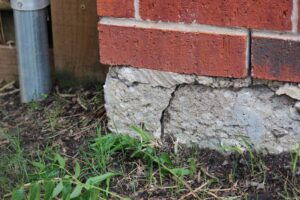
 Climate change goes well beyond being just a typical environmental issue; it is concurrently a major balance-sheet reality for current rental property investors. Altering ecological models, rampant severe natural occurrences, and heightened seasonal stress on buildings are notably swelling long-term maintenance expenses. The climate’s impact on rentals today is accelerating wear on roofs, HVAC systems, foundations, and exteriors, making climate-related maintenance a vital priority for protecting your property as well as dynamically planning for the future.
Climate Impact on Rentals & Why Investors Can’t Ignore the Shift
In decades past, typical rental property maintenance operated under completely predictable patterns. This is especially relevant for seasonal maintenance, which property managers routinely addressed during the same months annually. Today, those operational guidelines are vanishing rapidly alongside our broader climate. Extreme weather and interconnected climate shifts are explicitly changing how often rental properties need repairs, how long major systems can last, and how much investors must budget for regular upkeep.
Arguably the most critical issue within this trend is that the climate impact units must withstand isn’t restricted to a singular catastrophic storm. It accumulates via cumulative stress over time: historically hotter summers, greater precipitation, stronger storms, and unpredictable winter thaws that steadily inflict increased wear and maintenance costs.
For active rental property owners, this reality demands:
- Quicker replacement cycles regarding primary building assets
- A strict schedule of frequent inspections and preventative repairs
- Inflated long-term operating expenses (if capital budgets are not updated)
Regrettably, turning a blind eye to changing climate trends can silently erode a portfolio’s profitability over the years. On account of this, landlords must introduce forward-thinking safeguards now to mitigate the impact our changing climate will have on their bottom lines.
Key Climate-Driven Maintenance Challenges
When reviewing how climate and the environment impact rental properties, it stands to reason that property exteriors will always serve as the initial indicator, showing early signs of increasing wear. Furthermore, central real estate infrastructure remains intensely vulnerable to macroeconomic climate change trends. The most critical key maintenance challenges that property operators face encompass:
- Heavier Rainfall and Flood Risk: Increased rainfall applies extra strain onto roof surfaces, eavestroughs, and concrete slabs. Properties situated entirely clear of historic flood basins can still endure severe moisture intrusion, introducing toxic mold, soft framing lumber, and deep structural concerns that elevate overall maintenance costs.
- Rising Temperatures and Heat Stress: HVAC systems to work longer and harder. Roofing tile products, weather stripping, and outer wood components also break down rapidly when subjected to prolonged heat and UV exposure, escalating the total volume of replacements and repairs.
- Colder Extremes and Freeze-Thaw Cycles: repeated freeze-thaw cycles. This reaction induces fractured driveways, compromised brick mortar, and frozen or burst pipes, making these occurrences highly costly and disruptive for landlords and tenants.
- Increased Storm Intensity and Wind Damage: Stronger storms present a severe probability of displaced cladding, broken window units, boundary fence collapse, and knocked-down timber. Even in scenarios where property insurance covers major events, out-of-pocket deductibles and uncovered landscape repairs continue to compress net operating income.
Driven by these and adjacent climate-related events, the intensifying physical stress of climate change quickens baseline wear and tear and accelerates the natural aging process of building materials. Shingles fail prematurely, outside paint coatings peel faster, and heavy-duty mechanical systems hit their operational limits much earlier than anticipated.
Over time, this accelerated wear compounds costs. Upkeep that historically called for required maintenance every dozen years might today need attention much sooner, altering your real estate long-term budgeting and target investment return metrics.
Real Estate Climate Upkeep Strategies That Protect ROI
Throughout a climate-stressed environment, waiting for structural failures before handling repair and maintenance works out to be way more expensive. Emergency repairs, holiday technician rates, and tenant un-housing completely pile up implicit surcharges that hurt bottom lines.
Preventive maintenance, on the contrary, fosters predictability. Via handling minuscule breakdowns ahead of time, stakeholders can extend and stabilize operating expenses regardless of shifting atmospheric trends.
Undeniably, an expert blueprint for climate maintenance in real estate relies on endurance and safety safeguards. Therefore, perceptive capitalists are steadily elevating:
- Regular frequent inspections inside high-risk quadrants
- Targeted climate materials and upgrades
- Superior drainage, ventilation, and insulation
- Timely repairs to impede weather-based damage escalation
Working together, these blueprints successfully function to control costs and reduce surprise expenses.
Climate Trends Are a Maintenance Reality, Not a Future Problem
The climate-related impact on rental properties is inherently rewriting long-term maintenance costs. Sophisticated purchasers who adapt to this physical reality at this point in time and organize resources dynamically will be far more secure to protect and preserve the value and cash flows of their assets. This is true because climate-aware maintenance is an intentional corporate policy rather than a discretionary task.
By partnering with Real Property Management Elevate, maintenance optimization prioritizes immediate ecological variables over historical calculations. Dependable local experts in Oklahoma City and surrounding neighborhoods are set to deliver results. Contact us online immediately or call 405-876-7611 to learn why our comprehensive, climate-aware maintenance frameworks help rental property investors mitigate portfolio risks seamlessly.
This content is provided for general informational and educational purposes only and does not constitute financial, legal, tax, or investment advice. Readers should consult with licensed professionals regarding their specific circumstances.
We are pledged to the letter and spirit of U.S. policy for the achievement of equal housing opportunity throughout the Nation. See Equal Housing Opportunity Statement for more information.
